
🎮 Yakuza Kiwami 3 Review – Rebirth of a Classic Legend
Introduction
The Yakuza / Like a Dragon series has always been one of SEGA’s most representative works.
Since its first release on PlayStation 2 in 2005, the series has gone through nearly 20 years of development, with over 21 million copies sold worldwide (as of 2023).
With the success of the Kiwami remakes, many players long hoped for a comprehensive remake of Yakuza 3, and now that wish has finally come true.
Yakuza Kiwami 3 not only brings the beloved classic to new-generation hardware but also introduces a brand-new side story — “Dark Ties”, deepening the emotional and narrative layers of the game.
Classics and Limitations: A Look Back at 2009’s Yakuza 3
The Original Release
The original Yakuza 3 debuted in Japan in February 2009, and arrived in the West shortly after.
It was the first title in the series on PlayStation 3, and achieved strong sales — over 370,000 copies in its first week in Japan and 1.2 million worldwide.
Technical and Design Limitations
However, from today’s perspective, its weaknesses are clear:
- Combat System:
The fighting mechanics were relatively simple. Enemy defenses were too strict, forcing repetitive combo attacks. IGN’s review described combat as “lagging behind contemporary action titles.” - Rhythm and Pacing:
Some side activities and orphanage segments felt too slow, reducing narrative tension. On Metacritic, it holds a 79/100, with pacing often cited as a weakness. - Character Modeling:
Early 2000s technology limited facial realism. Child characters, in particular, were often criticized for “unnatural” expressions.
Emotional Legacy
Despite these flaws, Yakuza 3 remains one of the most heartfelt chapters of the series.
The emotional bond between Kazuma Kiryu and the orphans of Okinawa is still remembered fondly by fans.
Even today, communities on Reddit and NeoGAF often recall the Okinawa arc as “the gentlest time in the entire series.”
The Need for a Remake: Dragon Engine Brings It to Life
Following the success of Yakuza Kiwami 1 & 2, fans called on Ryu Ga Gotoku Studio (RGG) to fully remake Yakuza 3.
The 2018 remastered version improved graphics and framerate but did not fix core design issues.
Enter the Dragon Engine
Kiwami 3 now uses the Dragon Engine, first introduced in Yakuza 6, offering:
- Seamless Exploration – Smooth transitions between city streets and interiors.
- Advanced Physics – Environmental objects like bikes and signs can be used dynamically in combat.
- Realistic Expressions – Enhanced facial detail and motion capture deliver deeper emotion.
Through these upgrades, Kiwami 3 faithfully restores Okinawa and Kamurocho with modern polish and improved gameplay.
Gameplay Experience in Yakuza Kiwami 3
Opening & Story
The game begins with Kiryu’s retirement to Okinawa, where he manages the Morning Glory Orphanage.
When the orphanage is threatened by the Ryudo family, Kiryu is drawn back into the criminal underworld.
The remake amplifies emotional tension through improved cinematic presentation.
Combat System Evolution
Kiwami 3 retains Kiryu’s signature brawling style while introducing a new “Ryukyu Flow” inspired by Okinawan martial arts.
Players can switch between 8 weapon types and charge attacks, adding strategic depth.
Enemy AI has been overhauled to reduce reliance on excessive health or defense.
Example: Using the Ryukyu Flow staff weapon, players can fight off groups and interact with the environment — such as throwing bicycles — for dynamic combat.
Daily Life & Mini-Games
Classic side activities return, including karaoke, restaurants, and a revamped mobile phone system.
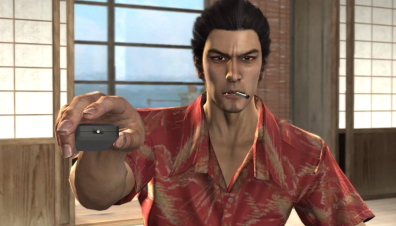
Kiryu’s flip phone can now be customized, influencing minor story moments — a small touch that adds immersion and charm.
Character Design Controversy
The remake introduces a new facial model for Haruka, based on actress Kasamatsu.
While many praise the realistic approach, others miss the “bright innocence” of the original.
Similar debates arose during Yakuza 4 Kiwami, reflecting the delicate balance between authenticity and fan attachment.
Dark Ties: The Untold Story of Mine Yoshitaka
One of the biggest surprises in Yakuza Kiwami 3 is the new standalone side story — “Dark Ties.”
Story Overview
The spin-off follows Mine Yoshitaka, the complex antagonist of Yakuza 3, exploring his past and relationship with Daigo Dojima.
According to SEGA, Dark Ties is nearly as long as a full main chapter and can be accessed directly from the main menu.
This addition offers emotional depth and recontextualizes Mine’s tragic arc, satisfying long-time fans’ curiosity.
Combat and Gameplay
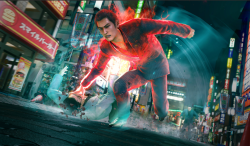
Mine features a unique fighting style, combining aerial combos and Shot Boxing techniques.
His “Dark Awakening” system allows players to build a Chain Heart gauge, temporarily boosting speed and power.
This system sets Mine apart from Kiryu and creates explosive battle moments.
Immersive Additions
Players can explore Kamurocho as Mine, with access to mini-games like casinos, baseball, and karaoke.
Voice actor Shizuko Nakamura even returns with a brand-new karaoke track, serving as a nostalgic fan service.
The Meaning of Kiwami 3 in the Modern Remake Era
In today’s industry, remakes have become a major trend — from Final Fantasy VII Remake to Resident Evil 4 Remake.
According to Newzoo (2022), remakes and remasters made up 14% of global game releases.
Why Kiwami 3 Matters
- Completes the Modern Collection:
Every major Yakuza story can now be experienced with consistent visuals and mechanics. - Expands Character Narratives:
“Dark Ties” transforms a secondary villain into a lead, giving emotional and thematic depth. - Connects Old & New Players:
For newcomers, the Kiwami line offers an ideal entry point. For veterans, it’s a nostalgic journey.
Final Verdict
Yakuza Kiwami 3 is more than just a remake — it’s a heartfelt restoration.
By leveraging the Dragon Engine’s capabilities, it repairs the original’s flaws, enhances combat and visuals, and adds emotional nuance through Dark Ties.
For veterans, it’s a return to Okinawan memories.
For new players, it’s an essential chapter in understanding Kiryu’s legend.
Above all, Kiwami 3 proves that classics can live again — not as relics, but as renewed experiences that resonate across generations.