
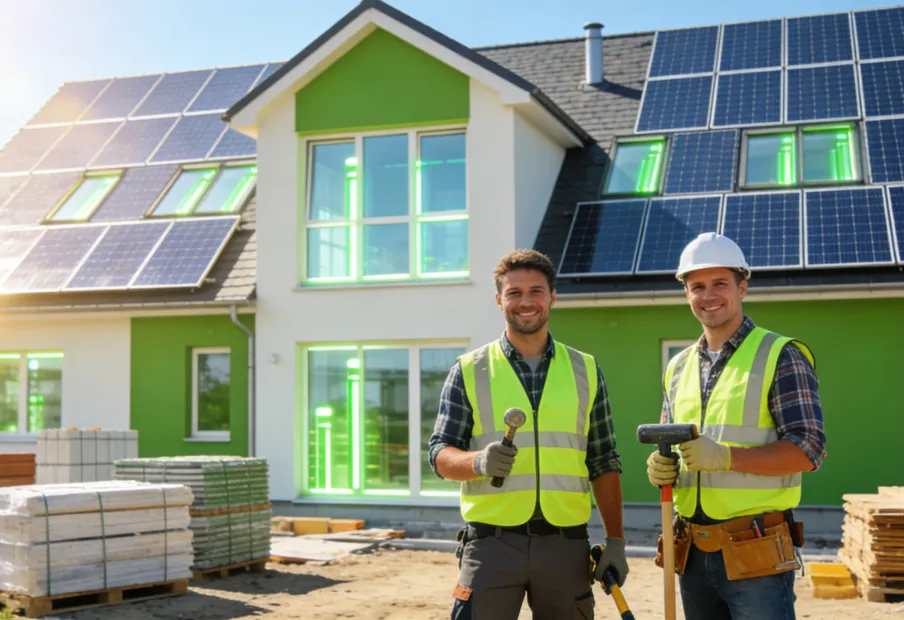
I’ve been swinging a hammer, running wiring, and laying insulation on job sites across Europe and the U.S. for nearly 20 years. I’ve built cookie-cutter homes that leak heat like a sieve, drafty commercial spaces with sky-high utility bills, and botched retrofits that left homeowners frustrated and out of pocket. For a long time, “green building” felt like nothing but a buzzword—something for fancy architects, politicians, and luxury projects, totally out of reach for regular folks and everyday tradesmen like me.
But that’s not the truth anymore. Not even close.
Green building and energy efficiency aren’t just about saving the planet (though that’s a massive bonus). They’re about building structures that last longer, cost pennies to run, and put real money back in the pockets of homeowners, business owners, and even us hardworking tradespeople. Whether you’re breaking ground on a new build, planning a renovation, or just sick of getting crushed by monthly energy costs, this isn’t a passing trend—it’s the new industry standard. And as someone who gets their hands dirty every single day, I’m breaking down exactly what matters, what actually works on the job site, and why skipping these efficiency steps is just throwing cold hard cash straight into the trash.
First: Let’s Ditch the Myths—Green Building Isn’t Just for Luxury Projects
I hear the same lines on every job site, loud and clear: “Going green costs way too much.” “Energy-efficient materials are hard to source.” “It’s just extra busywork with no real payoff.”
I used to buy into that garbage too. Then I started logging hours on LEED-certified builds, net-zero retrofits, and code-compliant energy-efficient projects—and watched the numbers speak for themselves. Data from the U.S. Green Building Council (USGBC) backs this up hard: green buildings use 25% less energy and 30% less water than standard construction, and slash carbon emissions by nearly 35%. For the average homeowner, that translates to hundreds, sometimes thousands, of dollars in annual savings on heating, cooling, and electricity. For business owners, it means lower overhead and a fatter bottom line—no fluff, just cold hard savings.
And here’s the unfiltered worker’s perspective: green building doesn’t have to be complicated or overpriced. Most of the biggest energy wins come from small, intentional choices we make mid-build—choices about framing, insulation, windows, and HVAC that don’t require a huge budget or a team of engineers. This isn’t about slapping solar panels on every roof (though that’s a great upgrade for the right client); it’s about building tight, efficient building envelopes that don’t waste energy in the first place.
The On-Site Basics: Energy Efficiency Starts With the “Building Envelope” (The Part We Actually Build)
Ask any seasoned construction worker, and we’ll tell you the same thing: the envelope is everything. That’s the walls, roof, floors, windows, and doors that separate indoor comfort from the elements—and it’s where 90% of energy waste happens. Back in the day, we’d frame fast, slap in cheap, flimsy insulation, and call it a day. Now? I refuse to cut corners here, not after seeing the night-and-day difference proper envelope work makes for homeowners and our bottom line.
1. Insulation: Not Just “Stuff in the Walls”—It’s Your First Line of Defense
I’ve pulled out soggy, compressed fiberglass from 20-year-old walls that was doing absolutely zero to retain heat or cool air. Poor, shoddily installed insulation forces your HVAC system to work overtime in summer and winter, burning through energy and wearing out components years ahead of schedule. On green job sites, we skip the cheap stuff and use high-quality, eco-friendly insulation: spray foam, recycled cellulose, rigid foam boards, or mineral wool—and we install it correctly, no exceptions.
No gaps, no compression, no skimping on thickness to save a few minutes. We also rely on optimum value engineering for framing: wider stud spacing that cuts lumber waste and leaves more room for thick, effective insulation. It’s a triple win: better efficiency, less waste, and even lower material costs. Proper insulation can slash heating and cooling bills by 40% or more—homeowners always rave when that first utility bill hits their mailbox.
2. Windows & Doors: Stop the Drafts, Stop the Waste
Cheap single-pane windows are an unmitigated energy disaster. On green builds, we only install double/triple-glazed, low-E windows with insulated frames—no shortcuts. These windows lock heat in during winter, block scorching UV rays in summer, and eliminate those icy drafts that make living spaces unbearable. We also air-seal every window and door frame with high-quality caulk and weatherstripping; these are 10-minute fixes that eliminate hidden air leaks, the #1 cause of energy waste in nearly every building.
I’ve walked into retrofit jobs where sealing windows and doors alone cut the homeowner’s energy bill by 20% in one month. It’s not flashy, it doesn’t require fancy tools, but it’s the most effective efficiency fix you can make on the job site.
3. Roofing: Cool Roofs & Proper Ventilation = Less Stress on HVAC
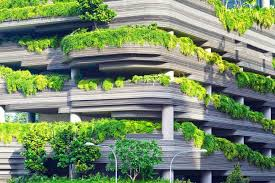
Dark asphalt roofs absorb heat like a sponge, turning attics into ovens and forcing AC units to run nonstop from spring to fall. On green projects, we always recommend cool roofing materials—light-colored shingles, durable metal roofing, or even green roof systems—that reflect heat instead of trapping it. Pair that with proper attic ventilation, and you keep the entire building cooler, reduce strain on HVAC systems, and extend the lifespan of the roof by years. It’s less maintenance for the owner, and fewer call-backs for us tradesmen.
Beyond the Envelope: Systems That Make Efficiency Stick (And Save More Cash)
A tight, well-insulated envelope is useless if you’re running outdated, energy-hungry mechanical systems. As a worker who installs and troubleshoots these units daily, here’s what actually moves the needle and keeps bills low:
HVAC: Right-Sized, High-Efficiency Units
Oversized HVAC systems are a massive waste—they cycle on and off constantly, guzzle more energy, and break down far faster than properly sized units. On green projects, we calculate the exact heating and cooling load the space needs, then install ENERGY STAR-certified heat pumps or AC units that fit perfectly. We also insulate every inch of ductwork to prevent air loss and add smart thermostats that let owners adjust temps remotely. These systems cost a little more upfront, but they pay for themselves in 3-5 years with lower bills and far fewer repairs.
Electrical: Smart, Low-Waste Setup
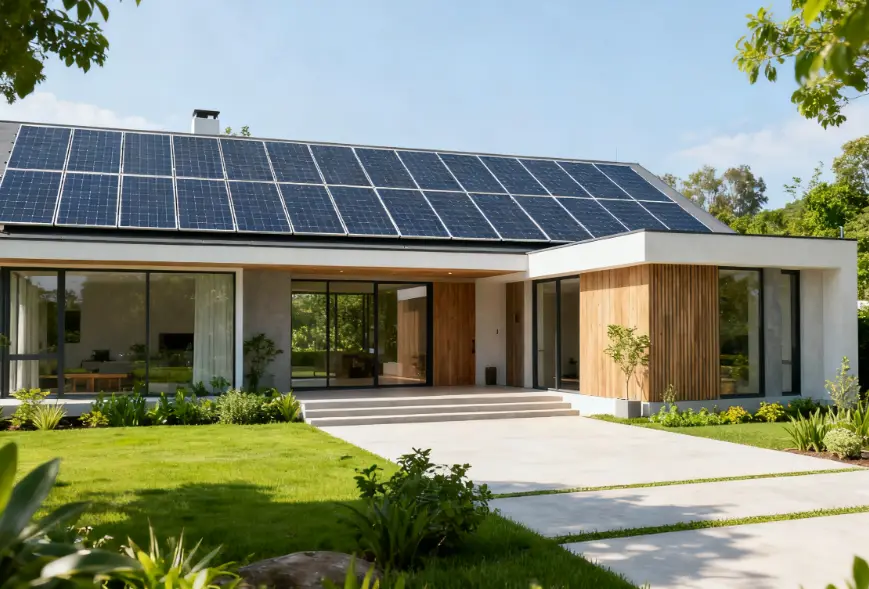
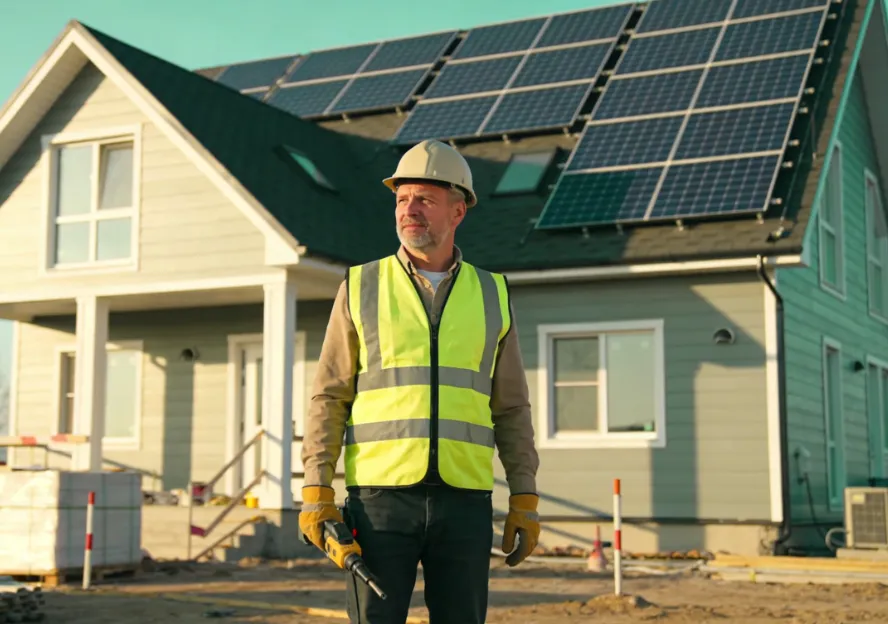
We install LED lighting everywhere on green builds—these bulbs use 75% less energy than incandescents and last 25 times longer, saving owners a fortune in replacement costs and electricity. We add motion sensors for closets, hallways, and outdoor spaces to eliminate wasted light, and smart power strips that kill “vampire energy” from idle electronics. For clients ready to level up, we handle rooftop solar panel installation; solar is more affordable than ever, and local tax credits and rebates often cover most of the upfront cost.
Water Efficiency: Small Fixes, Big Savings
Green building isn’t just about cutting energy use—it’s about conserving water too. We install low-flow toilets, showerheads, and faucets that reduce water usage by 30% without sacrificing pressure, so homeowners never notice a difference except on their water bill. For outdoor spaces, we suggest xeriscaping with native, drought-resistant plants and rainwater collection systems to cut irrigation waste. It’s better for the planet and easier on the owner’s wallet.
Why This Matters For You (Whether You’re a Builder, Homeowner, or Investor)
After building both standard and green structures for decades, I’ll say this flat out: green buildings hold their value better, need less maintenance, and make owners infinitely happier.
For homeowners: Lower monthly bills, cleaner indoor air (fewer toxins from cheap building materials, better ventilation), and a space that’s comfortable year-round—no more freezing drafts in winter or sweltering rooms in summer.
For builders & contractors: Mastering green building skills makes you way more competitive. 71% of hiring managers and project owners prioritize green-certified workers, and many green projects pay better thanks to high-quality materials and specialized labor. Plus, fewer call-backs for drafty rooms or failing systems means more time on new jobs, less time fixing sloppy old work.
For the industry: Governments across the U.S. and Europe are tightening energy codes, mandating stricter efficiency standards, and hitting non-compliant buildings with heavy fines. Green building isn’t optional anymore—it’s the only way to stay compliant, avoid penalties, and keep up with industry demands.
My Final Take: Green Building Is Just Smart Building
I don’t build green because I’m some “tree hugger” stereotype. I build green because it’s better craftsmanship. It’s building something that stands the test of time, doesn’t waste resources, and doesn’t leave the people living or working there stuck with outrageous monthly bills.
You don’t need a massive budget or a high-end architect to prioritize energy efficiency. Start with the basics: air-seal every gap, insulate properly, install efficient windows, and fit systems to the space. Every small, intentional choice adds up to huge savings and a better, more durable build.
If you’re planning a build or retrofit, don’t let lazy contractors or misinformation tell you green is too expensive or too hard. Talk to a tradesperson with real on-site green experience, check local rebates and incentives, and put the building envelope first. Trust me—once you see those low utility bills and feel the constant comfort of a well-built space, you’ll never go back to the old, wasteful way of building.
Quick Worker-Approved Energy Efficiency Checklist
- Air-seal all gaps around windows, doors, and framing to eliminate drafts
- Install high-quality, properly fitted insulation—no shortcuts or compressed batches
- Upgrade to low-E, double/triple-glazed windows for year-round efficiency
- Use ENERGY STAR-certified HVAC systems and appliances
- Switch to LED lighting and smart controls to cut electrical waste
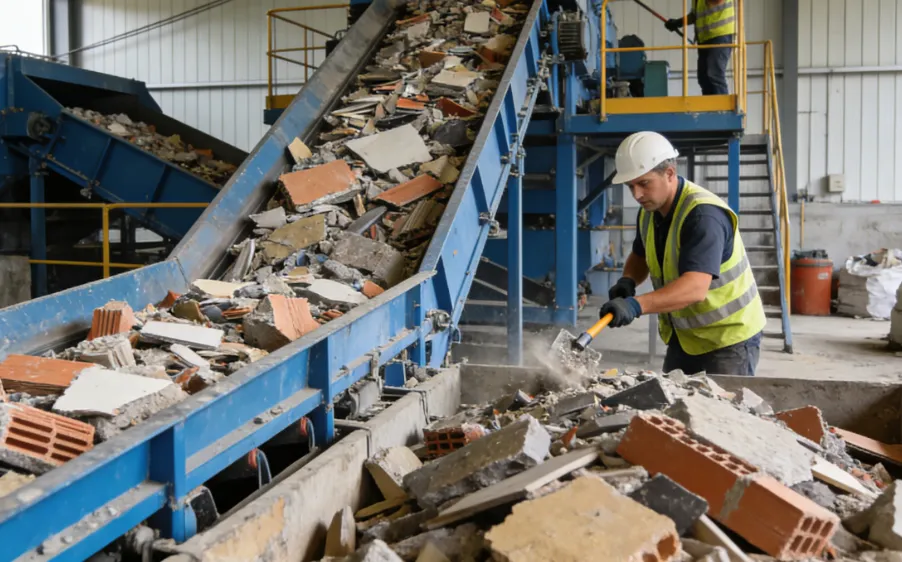
- Choose sustainable, recycled building materials whenever possible
Got questions about green building, energy-efficient retrofits, or on-site installation hacks? Drop a comment below—I’m here to share real, field-tested advice from someone who’s actually swung the hammer and built these projects. And if you’re ready to build smarter, not harder, stick around for more hands-on, no-BS construction insights straight from the job site.





Leave a Reply