
Why Structural Choices Matter More Than Ever
In today’s construction environment, structural decisions extend far beyond engineering considerations. The choice between steel and concrete influences project timelines, capital expenditure, carbon footprint, insurance costs, and long-term asset value.
Rising material prices, stricter environmental regulations, and growing demand for flexible building use have pushed architects and developers to evaluate structural systems more carefully than ever before. Understanding how steel and concrete perform across multiple dimensions is now a critical component of risk management and strategic planning.
Understanding Structural Systems in Modern Construction
Structural systems form the backbone of any building. While steel and concrete often appear interchangeable at a high level, they behave very differently under load, environmental conditions, and long-term use.
Steel structures rely on prefabricated elements assembled on site, offering precision and speed. Concrete structures, by contrast, often integrate structure and enclosure, creating monolithic systems with high mass and stiffness. These fundamental differences affect everything from seismic performance to maintenance strategy.
Structural Performance and Engineering Behavior
Load-Bearing Capacity and Spans
Steel’s high tensile strength enables long-span designs with fewer columns. This is particularly beneficial for:
- Open-plan offices
- Warehouses and logistics centers
- Retail and exhibition spaces
Concrete excels in compressive strength and performs well in vertical load-bearing applications such as:
- Residential towers
- Parking garages
- Infrastructure-related buildings
Seismic and Wind Performance
In seismic zones, steel’s ductility allows structures to absorb and dissipate energy during earthquakes, reducing the likelihood of sudden failure. Concrete structures rely on mass and reinforcement detailing, which can also perform well but requires careful engineering.
Wind-induced movement in tall buildings is often better controlled with concrete or composite systems due to increased stiffness and damping.
Construction Speed and Project Delivery
Prefabrication and On-Site Efficiency
Steel construction benefits heavily from off-site fabrication:
- Higher quality control
- Reduced site waste
- Predictable scheduling
Concrete construction often depends on on-site processes, including formwork, pouring, and curing. Weather conditions can significantly impact schedules, especially in colder climates.
For developers, faster construction translates directly into earlier occupancy and revenue generation, making steel attractive in schedule-driven projects.
Detailed Cost Analysis: Beyond Initial Investment
Short-Term Costs
Initial project budgets typically focus on material and labor. While steel may appear more expensive upfront, reduced construction time often offsets material premiums.
Concrete may seem cost-effective initially, but longer schedules and higher labor input can increase total project expenditure.
Long-Term Financial Performance
Lifecycle cost analysis reveals additional considerations:
- Energy efficiency
- Repair and replacement cycles
- Insurance premiums
- Adaptability for future use
Buildings designed for flexibility often retain higher long-term value—an area where steel structures tend to perform well.
Sustainability and Carbon Considerations
Embodied Carbon and Material Sourcing
Concrete production contributes significantly to global carbon emissions due to cement manufacturing. However, innovations such as fly ash replacement, geopolymer concrete, and carbon-curing technologies are reshaping the environmental profile of concrete.
Steel production has also evolved, with electric arc furnaces and recycled content reducing embodied carbon per ton. When designed efficiently, steel structures can achieve competitive sustainability metrics.
Operational Energy Performance
Concrete’s thermal mass can stabilize indoor temperatures, reducing heating and cooling loads in certain climates. Steel structures rely more heavily on insulation and envelope performance to achieve energy efficiency targets.
Fire Resistance and Risk Management
Fire safety strategies differ significantly between steel and concrete structures. Concrete inherently resists fire, while steel requires additional fire protection systems.
Insurance providers and code authorities may evaluate these systems differently, affecting long-term operating costs and compliance requirements.
Maintenance, Durability, and Service Life
Steel structures require ongoing monitoring for corrosion, particularly in humid or coastal environments. Advances in protective coatings and detailing have significantly extended service life expectations.
Concrete structures are generally durable but vulnerable to issues such as carbonation, chloride penetration, and freeze-thaw cycles if not properly designed.
Adaptability and Future-Proofing
Modern buildings must accommodate changing uses, technology upgrades, and evolving regulations. Steel’s modular nature allows:
- Easier retrofitting
- Vertical or horizontal expansion
- Reduced demolition waste
Concrete structures, while robust, often require more invasive modifications.
Regional Considerations: US vs Europe
Material availability, labor costs, and regulatory frameworks differ between regions. European projects often emphasize carbon reduction and lifecycle analysis, while US developments may prioritize speed and financial return.
Local context plays a critical role in determining the most appropriate structural solution.
Hybrid Structural Systems
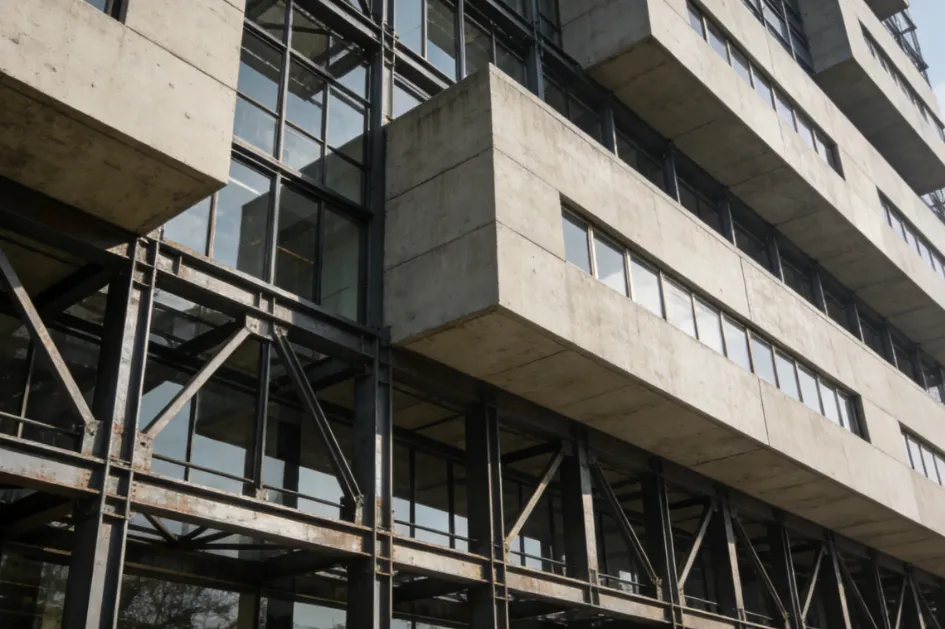
Many contemporary buildings combine steel and concrete to leverage the advantages of both. Common hybrid systems include:
- Steel frames with concrete cores
- Composite slabs on steel beams
- Precast concrete with steel connections
These systems offer balanced performance in cost, speed, and resilience.
Making Informed Structural Decisions
Steel and concrete are not competing solutions but complementary tools in modern construction. The optimal choice depends on project-specific objectives, regulatory context, and long-term asset strategy.
By evaluating structural systems holistically—considering engineering performance, cost, sustainability, and adaptability—project teams can make decisions that support both immediate project success and long-term value creation.
Frequently Asked Questions (FAQ)
Is steel or concrete more sustainable?
Sustainability depends on sourcing, design efficiency, and lifecycle performance rather than material choice alone.
Which system is better for high-rise buildings?
Many high-rise buildings use composite or hybrid systems to balance stiffness and flexibility.
Does steel construction always cost more?
Not necessarily. Shorter construction timelines can offset higher material costs.










Leave a Reply