
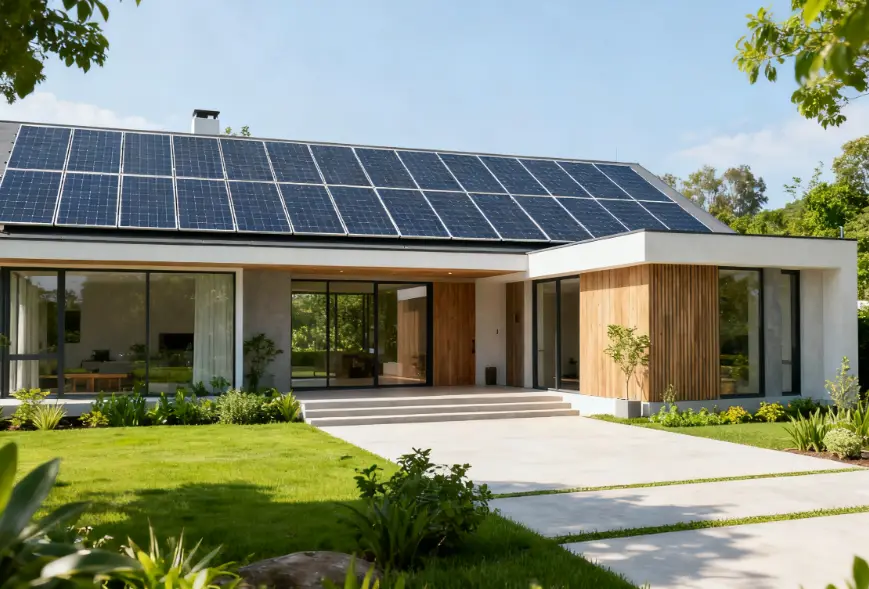
Over the past decade, the term “green building” has moved from the blueprints of professional architects into the lives of ordinary people. From energy-efficient apartments in New York to sustainable homes in Copenhagen, more and more people have realized that environmental protection is not just for the sake of the planet, but also for a healthier and more efficient lifestyle.
1. Green buildings are actually very close to us
In simple terms, green buildings aim to reduce their environmental impact by conserving energy and water, minimizing waste, and utilizing eco-friendly materials, while simultaneously enhancing living comfort and health standards.
This is not an unattainable concept. You don’t need to build a “futuristic” smart house. Even just replacing an energy-efficient window or installing a rainwater recycling system is a manifestation of green building.
In Denmark, some households use solar energy to heat water, maintaining warmth even in winter; while in California, USA, some zero-energy homes can even generate their own electricity, and the excess electricity can even be sold back to the grid.
II. Why choose green housing?
1. Save energy and costs
The adoption of designs such as double-paned insulated windows, energy-efficient lighting, and smart thermostats can significantly reduce electricity and heating costs. According to data from the U.S. Department of Energy (DOE), green homes can save an average of approximately 30%–50% on energy consumption.
In the long run, this is not only an investment in the environment, but also a wallet-friendly choice.
2. A healthier living environment
Traditional building materials often contain volatile organic compounds (VOCs), which may cause allergies or respiratory discomfort. Green building emphasizes the use of low-VOC paints, natural wood, and non-toxic adhesives to make the air in homes fresher.
After renovation, many families have a distinct feeling that “the air has become lighter”. This is not a psychological effect, but a real improvement.
3. Real estate is more valuable
In the real estate markets of Europe and America, eco-friendly housing has emerged as a new trend.
Homes with LEED certification or Passivhaus design often sell or rent at higher prices. For homeowners, this is not only an ethical choice, but also an economic decision.
4. Environmental contribution
Green buildings can reduce carbon emissions by an average of over 30%.
Although individual efforts are limited, when more and more families participate, small changes can accumulate to produce significant ecological benefits.
III. How to build your own green home
1. Start with energy-saving design
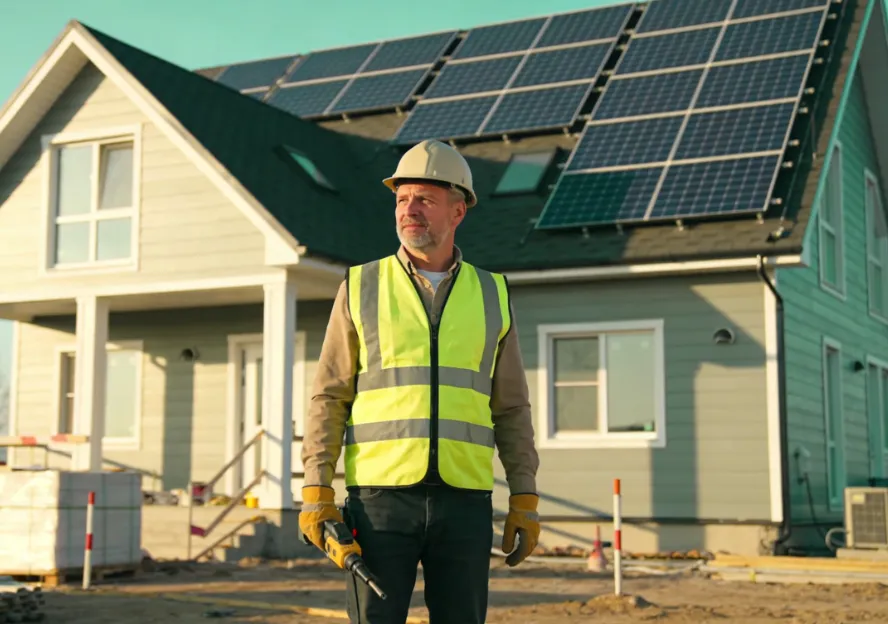
Plan the orientation of windows reasonably to maximize natural light and air circulation; install solar panels, LED lighting, and automatic temperature control systems to make energy use more intelligent.
Devices like the Nest smart thermostat can automatically adjust the temperature based on your lifestyle, saving energy while maintaining comfort.
2. Choose environmentally friendly materials
Materials determine the “soul” of a building.
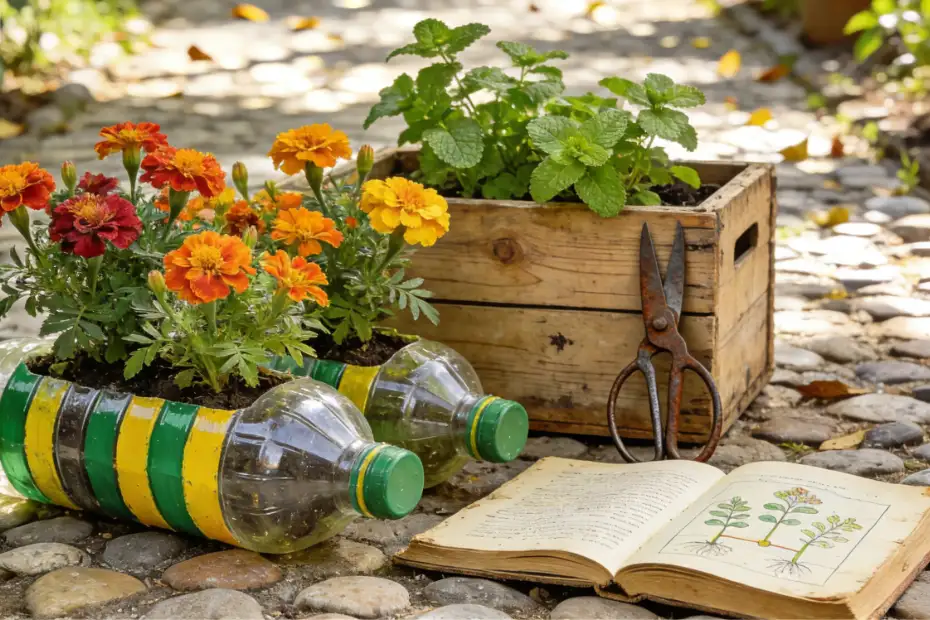
Renewable bamboo, reclaimed wood, and low VOC paint are all ideal choices.
In Europe, many suppliers offer FSC (Forest Stewardship Council) certified wood to ensure sustainable sourcing of timber.
3. Make good use of water resources
Install water-saving toilets and showers, or water the garden through a rainwater collection system.
Some European and American countries even provide relevant subsidies to encourage households to carry out water-saving renovations.
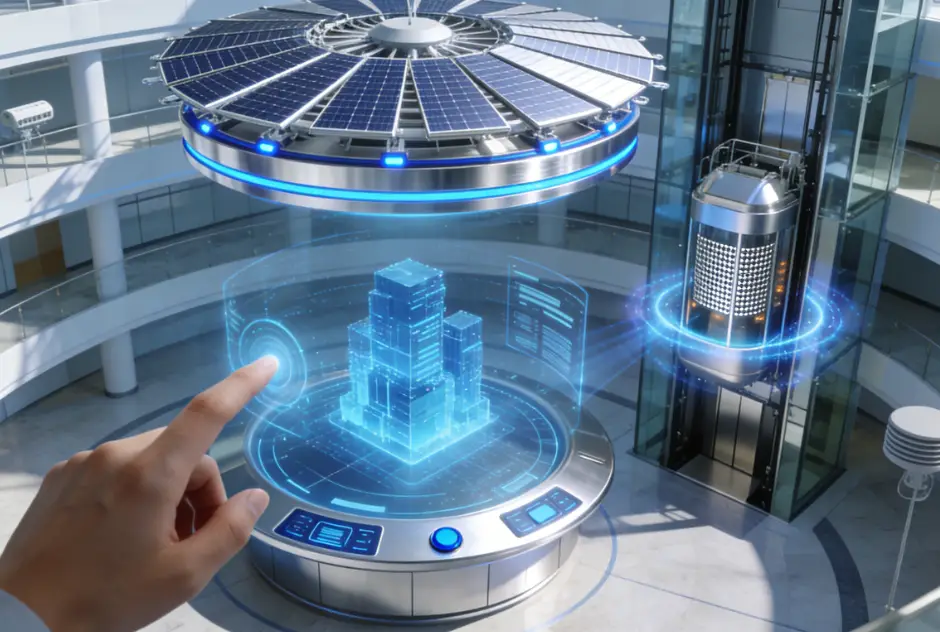
4. Integrate intelligent technology
Green building does not mean a return to the primitive, but rather a closer integration with technology.
Energy storage systems like Tesla Powerwall can store solar power; automatic lighting and curtain systems can adjust automatically according to sunlight intensity, balancing energy conservation and comfort.
IV. Successful examples of green buildings in Europe and America
Bullitt Center in Seattle, USA
Hailed as “the greenest office building in the world”, it is capable of generating its own electricity and water resources.
The Vauban neighborhood in Freiburg, Germany
The entire area relies primarily on solar energy, with residents using public transportation or cycling as their primary means of getting around.
The BedZED project in London, UK
Constructed using recycled materials and featuring a green garden on the roof, it has become a model of sustainable urban living.
These projects demonstrate that green building is not a mere ideal, but a practical and feasible lifestyle.
5. Start small
Even if you can’t undertake large-scale renovations for the time being, you can still start with the details:
Replace energy-saving light bulbs
Choose environmentally friendly cleaning products
Purchase Energy Star certified home appliances
Replace prolonged artificial lighting with natural light
These small steps, when accumulated, can make our home more environmentally friendly and our life more comfortable.
VI. Conclusion
Green building is not a fleeting trend, but a future-oriented philosophy of life.
It allows us to re-establish a balance with nature, and makes every breath purer and more reassuring.
Whether you are a homeowner, a designer, or simply someone who wants to improve your living environment, green building is telling us: sustainability is not only the future of the earth, but also our present.





Leave a Reply