
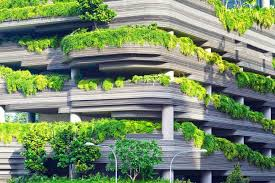
In recent years, sustainability has moved from being a niche concept to becoming one of the most influential forces shaping the architecture and construction industry. Across Europe and North America, architects, developers, and homeowners are increasingly looking beyond aesthetics and functionality, asking a crucial question: How can we build structures that are better for both people and the planet?
The answer often begins with materials.
Green building materials have become a cornerstone of sustainable architecture, helping reduce environmental impact while improving energy efficiency, indoor air quality, and long-term building performance. As climate change, resource depletion, and urbanization continue to challenge our world, the materials we choose today will play a major role in determining the sustainability of tomorrow’s built environment.
In this article, we’ll explore what green materials are, why they matter, and which sustainable materials are transforming modern architecture.
What Are Green Building Materials?
Green building materials are products that have a reduced environmental impact throughout their lifecycle—from extraction and manufacturing to transportation, installation, use, and eventual disposal or recycling.
A material is generally considered environmentally friendly when it meets several of the following criteria:
- Renewable or rapidly replenishable
- Recycled or recyclable
- Low carbon footprint
- Non-toxic and low in volatile organic compounds (VOCs)
- Energy-efficient to manufacture
- Durable and long-lasting
- Locally sourced when possible
Unlike traditional construction materials that often require significant energy and resources to produce, green materials aim to minimize environmental damage while maintaining or improving performance.
Why Green Materials Matter More Than Ever
The construction industry is one of the largest consumers of natural resources worldwide. According to various environmental studies, buildings account for a significant portion of global energy consumption and carbon emissions.
While much attention has been placed on operational energy—such as heating, cooling, and lighting—architects are increasingly focusing on embodied carbon, which refers to the emissions generated during the production and transportation of building materials.
This shift has elevated the importance of sustainable material selection.
By choosing green materials, architects can:
- Reduce greenhouse gas emissions
- Lower energy consumption
- Minimize construction waste
- Improve occupant health
- Increase building resilience
- Support circular economy principles
In many cases, sustainable materials can also provide long-term economic benefits through reduced maintenance costs and improved energy performance.
1. Mass Timber: The Renewable Structural Revolution
One of the most exciting developments in sustainable architecture is the rise of mass timber construction.
Unlike traditional wood framing, mass timber products such as Cross-Laminated Timber (CLT), Glue-Laminated Timber (Glulam), and Laminated Veneer Lumber (LVL) are engineered to provide exceptional structural strength.
Mass timber offers several environmental advantages:
Carbon Storage
Trees absorb carbon dioxide during growth. When harvested responsibly and used in buildings, timber effectively stores that carbon for decades.
Lower Embodied Energy
Producing timber generally requires less energy than manufacturing steel or concrete.
Faster Construction
Prefabricated timber components can significantly reduce construction time and waste.
Aesthetic Appeal
Exposed wood interiors create warm, inviting spaces that many occupants find psychologically beneficial.
Across Europe, Canada, and the United States, mass timber is increasingly being used in schools, offices, apartment buildings, and even high-rise projects.
2. Recycled Steel: Strength with Sustainability
Steel remains one of the most important structural materials in modern construction. While steel production can be energy-intensive, recycled steel offers a more sustainable alternative.
One of steel’s greatest advantages is that it can be recycled repeatedly without losing its structural integrity.
Benefits include:
- Reduced mining requirements
- Lower energy consumption
- Less landfill waste
- Long service life
Today, many structural steel products contain a significant percentage of recycled content, helping reduce the overall environmental footprint of large-scale construction projects.
For architects designing commercial buildings, recycled steel often provides an excellent balance between sustainability, durability, and performance.
3. Reclaimed Wood: Giving Materials a Second Life
Reclaimed wood has become increasingly popular in both residential and commercial design.
Rather than harvesting new timber, reclaimed wood is sourced from:
- Old barns
- Industrial warehouses
- Historic buildings
- Shipping pallets
- Retired infrastructure
The appeal goes beyond sustainability.
Each piece carries unique textures, grain patterns, and weathered character that cannot be replicated by newly manufactured products.
Advantages include:
- Reduced demand for virgin timber
- Lower landfill waste
- Unique aesthetic value
- Preservation of historic materials
From feature walls and flooring to furniture and exposed beams, reclaimed wood adds both environmental and visual value to modern architecture.
4. Bamboo: One of Nature’s Fastest Renewable Resources
Bamboo has earned a reputation as one of the most sustainable building materials available.
Unlike traditional hardwood trees that may require decades to mature, some bamboo species can reach harvestable size within three to five years.
Its sustainability benefits include:
- Rapid regeneration
- Carbon absorption
- Minimal pesticide requirements
- High strength-to-weight ratio
In addition to flooring and interior finishes, engineered bamboo products are increasingly being used for structural applications.
Its versatility makes bamboo particularly attractive for environmentally conscious projects seeking renewable alternatives to conventional wood products.
5. Hempcrete: A Carbon-Negative Building Material
Among emerging green materials, hempcrete has generated significant interest.
Made from hemp hurds mixed with lime-based binders, hempcrete is lightweight, breathable, and highly insulating.
Unlike conventional concrete, hempcrete can actually absorb more carbon dioxide during its lifecycle than is emitted during production.
Benefits include:
Excellent Thermal Performance
Buildings require less heating and cooling.
Moisture Regulation
The material helps maintain healthy indoor humidity levels.
Fire Resistance
Hempcrete demonstrates strong fire-resistant properties.
Carbon Sequestration
The hemp plant absorbs large amounts of CO₂ during growth.
While hempcrete is not typically used as a primary structural material, it is increasingly being incorporated into sustainable residential projects throughout Europe and North America.
6. Recycled Concrete and Aggregates
Concrete is responsible for a substantial portion of global carbon emissions, primarily due to cement production.
To address this challenge, many architects and contractors are embracing recycled concrete aggregates.
These materials are created by crushing demolished concrete structures and reusing the resulting aggregates in new construction.
Advantages include:
- Reduced landfill waste
- Conservation of natural resources
- Lower transportation impacts
- Reduced demand for virgin materials
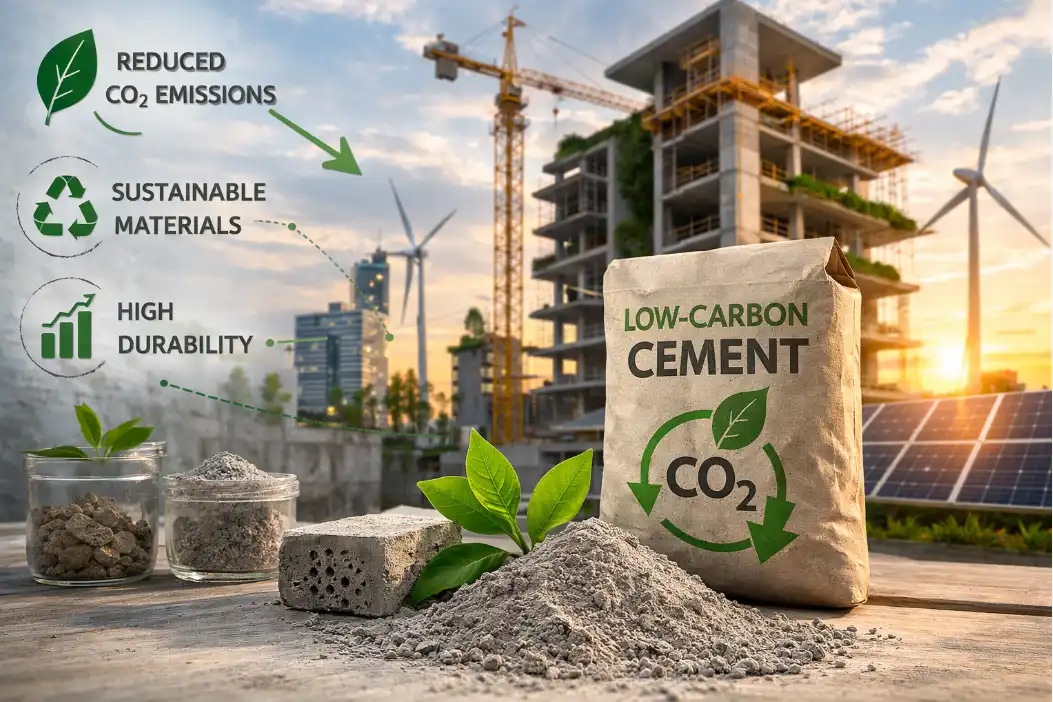
Innovations in low-carbon cement technologies are further improving the sustainability profile of concrete construction.
7. Cork: A Renewable Material with Remarkable Properties
Cork is harvested from the bark of cork oak trees without cutting down the tree itself.
The bark naturally regenerates, making cork one of the most renewable materials available.
Cork provides:
- Thermal insulation
- Acoustic insulation
- Water resistance
- Durability
- Lightweight performance
Architects increasingly use cork for flooring, wall panels, insulation systems, and decorative applications.
Its natural appearance and environmental credentials make it particularly appealing in sustainable interior design.
8. Mycelium: The Future of Bio-Based Materials
One of the most innovative developments in green construction involves mycelium—the root structure of fungi.
Researchers and startups are using mycelium to create biodegradable building products that can replace traditional foams and certain composite materials.
Potential applications include:
- Insulation panels
- Acoustic treatments
- Packaging materials
- Interior architectural elements
Because mycelium grows naturally using agricultural waste, it requires significantly less energy than many conventional manufacturing processes.
Although still emerging, mycelium-based products could play a major role in the future of sustainable construction.
The Role of Green Materials in Healthy Buildings
Sustainability isn’t only about protecting the environment.
It is also about creating healthier spaces for people.
Many traditional building materials contain chemicals that release volatile organic compounds (VOCs), which can negatively impact indoor air quality.
Green materials often prioritize:
- Low-VOC emissions
- Natural ingredients
- Improved air quality
- Reduced chemical exposure
As homeowners become more aware of wellness-focused design, demand for healthier building materials continues to grow.
The connection between architecture and human health has become a major trend influencing modern design decisions.
Challenges Facing Sustainable Materials
Despite their advantages, green materials are not without challenges.
Higher Upfront Costs
Some sustainable products remain more expensive than conventional alternatives.
Limited Availability
Supply chains for emerging materials may not yet be fully developed.
Building Code Barriers
Regulations sometimes lag behind technological innovation.
Industry Familiarity
Contractors and developers may be hesitant to adopt unfamiliar construction methods.
However, these obstacles are gradually diminishing as demand increases and technology advances.
Governments, industry organizations, and environmental certifications are helping accelerate adoption across the construction sector.
Certifications That Support Sustainable Material Selection
Architects often rely on third-party certification systems to evaluate environmental performance.
Popular standards include:
- LEED (Leadership in Energy and Environmental Design)
- BREEAM (Building Research Establishment Environmental Assessment Method)
- Living Building Challenge
- WELL Building Standard
These frameworks encourage the use of sustainable materials while providing measurable sustainability benchmarks.
For developers, certifications can also increase property value and market appeal.
Looking Ahead: The Future of Green Architecture
The future of architecture will be shaped by how effectively we reduce the environmental impact of the built environment.
Green materials are no longer experimental alternatives—they are becoming essential components of modern design.
Emerging technologies such as carbon-capturing concrete, bio-based composites, advanced timber systems, and circular construction methods are redefining what sustainable architecture can achieve.
As architects continue to innovate, we are moving toward buildings that not only consume fewer resources but actively contribute to environmental regeneration.
The most exciting aspect of this transition is that sustainability no longer requires sacrificing beauty, performance, or functionality.
In fact, many of today’s most inspiring architectural projects demonstrate that environmentally responsible design can also be aesthetically stunning, economically viable, and technologically advanced.
Final Thoughts
Green materials represent far more than a construction trend—they symbolize a fundamental shift in how we think about architecture.
Every material selection carries environmental consequences. By choosing renewable, recycled, low-carbon, and health-conscious materials, architects can significantly reduce the ecological footprint of buildings while creating better spaces for future generations.
Whether it’s mass timber storing carbon, hempcrete improving insulation, recycled steel reducing waste, or mycelium introducing entirely new possibilities, sustainable materials are transforming the industry from the ground up.
As climate challenges continue to intensify, the buildings we create today must do more than shelter us—they must become part of the solution.
The future of architecture is not only smart, beautiful, and efficient.
It is green.











Leave a Reply