
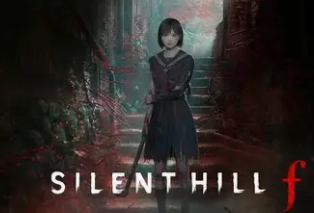
Silent Hill has always been a series that promises change yet remains steadfastly itself. Silent Hill f is no exception. Set in 1960s rural Japan, it offers a fresh backdrop that can intrigue newcomers while giving longtime fans the eerie familiarity of fog-drenched streets and grotesque creatures. Yet, despite some interesting new twists, the game struggles to truly terrify, relying too heavily on the franchise’s classic scare tactics.
Story and Atmosphere
You play as Hinako Shimizu, a young girl whose ordinary life in the quiet village of Ebisu Hill is upended by a sinister fog. Neighbors vanish or transform into nightmarish monsters, and friends Shu, Sakuko, and Rinko face serious danger. Hinako’s story, however, isn’t just about survival—her rebellious spirit and personal trauma reflect the rigid gender norms of the era, adding depth to the narrative. A mysterious masked figure, oddly helpful yet enigmatic, adds to the story’s intriguing, surreal tone.
Visually, Silent Hill f is stunning. The art direction juxtaposes horrifying enemies with breathtaking environments, from supernatural temples to the cursed, blood-soaked “flowers” overtaking Ebisu Hill. Cinematic composition and Akira Yamaoka’s haunting score make the village feel alive, and I often found myself marveling at the game as an interactive work of art, even as it tried to make me look away in fear.
Gameplay and Combat
The game offers two difficulty options for action and puzzles: Story and Hard. Story mode, meant to reflect “classic Silent Hill difficulty,” proved disappointingly easy in combat. Excessive healing items and frequent enemy drops made survival rarely feel challenging, unlike in Silent Hill 2. Hard mode, by contrast, provides a more balanced test of skill. A more flexible difficulty curve would have been welcome.
Combat is intentionally heavy and clumsy, reflecting Hinako’s inexperience. Light and heavy attacks carry satisfying impact, and fragile weapons add tension: do you risk damaging a baseball bat or axe for a critical hit? Stamina management for swings and dodges adds another layer of strategy, and the Sanity mechanic rewards careful planning and punishes reckless play. Equipping charms allows simple character customization, giving players small but meaningful choices in combat strategy.
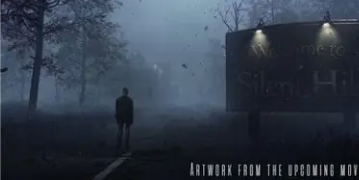
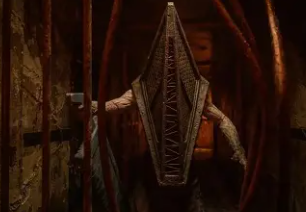
Unfortunately, enemy variety is limited, and by the midpoint of the 10-hour campaign, combat loses its punch. While some bosses, like the nightmarish demon priestess, offer fresh challenges, most encounters become repetitive, dulling the horror element.
Puzzles and Exploration
Puzzle design, on the other hand, shines. From haunted school interiors to foggy farmlands, the game delivers creative and satisfying challenges that test observation and logic. Environmental puzzles in more surreal areas keep exploration engaging, and it’s always exciting to see what strange riddle Silent Hill has in store next.
Exploration of the village itself is more tense than in past entries. Narrow streets and confined alleys often funnel players into danger, discouraging reckless wandering. Combat may be avoidable in some cases, but survival often depends on fighting back strategically.
Storytelling and Characters
The narrative can be confusing at times. While the game tackles heavy themes such as gender roles, domestic abuse, and possible addiction with symbolic flair, the second half becomes increasingly surreal, twisting Hinako’s perception of reality and identity. While this design choice aims to disorient the player, it may leave first-time players feeling lost.
Supporting characters are underutilized, relying heavily on diary entries to communicate their stories. Shu, Hinako’s closest friend, is especially underdeveloped, and the compressed runtime makes some character arcs feel abruptly cut off. That said, the game includes five alternate endings in New Game Plus, influenced by player choices, adding replayability.
Conclusion
Silent Hill f is a curious beast: part homage, part experiment. It successfully creates a tense, eerie atmosphere with beautiful visuals and a haunting soundtrack. Combat stays true to the series’ roots while introducing some effective new mechanics, and puzzles are satisfying and creative. Yet, the game’s scares lose potency mid-campaign, and the story can be confusing and uneven.
For fans of survival horror, Silent Hill f is a solid experience—moody, unsettling, and visually striking. It may not redefine the franchise, but it delivers a familiar, fog-laden nightmare that’s worth exploring… even if you’ve walked these streets before.
Score: 7.5/10 – A worthy entry that honors the series’ legacy, with room for more terror.











Leave a Reply