
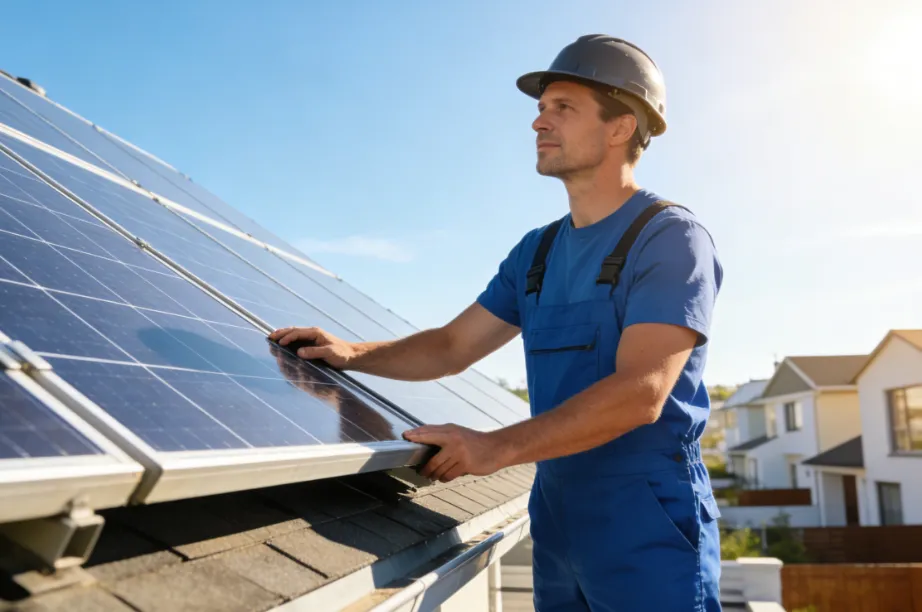
I’ve been swinging a hammer, laying roofing, and framing homes across Europe and the US for nearly 20 years. Back when I started, “solar power” felt like a fancy buzzword for rich homeowners and eco-geeks—something we tacked onto a roof after the house was done, like an afterthought. We’d roll our eyes, finish the quick install, and move on to the next framing job. Today? Solar and smart energy design aren’t just optional add-ons. They’re core, non-negotiable parts of every build I lead. They slash monthly utility bills for homeowners, boost my business credibility, cut down on warranty callbacks, and put way more money in my pocket. If you’re a fellow tradesman fighting to stand out, a homeowner planning a build/retrofit, or just sick of watching hard-earned cash go to wasteful energy bills, this is the no-fluff, on-the-job guide to solar and energy efficiency that actually works—no textbook jargon, no sales fluff, just real lessons from the jobsite.
I’ve fixed botched solar retrofits, torn out useless insulation, and watched homeowners cry when they get their first winter heating bill for a poorly sealed house. This is everything I wish someone had told me when I first started mixing energy upgrades with construction: how to do it right, how to make it profitable, and how to turn energy-smart builds into your biggest selling point.
Why Every Builder Should Care About Solar & Energy Efficiency (It’s Not Just “Going Green”)
Let’s cut to the chase: energy-smart builds sell faster, fetch higher bids, and cost less to maintain. Homebuyers and homeowners aren’t just shopping for four walls and a roof anymore. They’re begging for lower utility bills, energy independence, and homes that stay warm in winter and cool in summer without cranking the HVAC 24/7. As a builder, if you can deliver that, you leave the guys still cutting corners on insulation and ignoring solar in the dust.
Here’s the hard truth from the jobsite: A house built without energy planning bleeds cash for everyone involved. Drafty windows, paper-thin insulation, sloppy wiring, and roofs that waste sunlight mean sky-high monthly bills that make homeowners regret hiring you. Solar fixes that—but only if it’s installed with the build, not after it. Retrofitting solar later means tearing up finished roofing, patching drywall, extra labor hours, and frustrated clients. Doing it during framing or roofing? It’s smoother, faster, cleaner, and you can wrap the cost into the total project quote so homeowners don’t feel hit with a surprise expense.
And let’s not sleep on the incentives. Across the EU, the US, and Canada, governments are throwing tax credits, rebates, and grants at solar installs and energy-efficient construction. I’ve seen homeowners knock 30% or more off their total solar costs just by claiming local programs—and I make it my job to walk them through every step. Being the builder who doesn’t just build, but helps clients cash in on free money? That’s repeat business and word-of-mouth referrals that keep my schedule booked year-round.
Solar Power for Buildings: The Builder’s Basics (No Engineering Degree Needed)
You don’t need a fancy engineering degree or a solar certification to integrate panels into your builds. At its simplest, solar photovoltaic (PV) panels turn sunlight into usable electricity for the home. Excess energy can feed back to the grid for bill credits (net metering) or get stored in a battery bank for nighttime, cloudy days, or power outages. For us builders, it’s just another layer of the build—like wiring or roofing—once you learn the basics.
On every jobsite, these are the non-negotiable details I lock in during the pre-build phase to avoid headaches later:
- Roof Orientation & Slope: South-facing roofs (in the Northern Hemisphere) grab the most sunlight all day. A 30–45 degree slope is perfect for max sun exposure and easy runoff. If the roof faces east-west or has a weird pitch, we adjust panel mounts or opt for ground-mounted solar—no need to scrap the plan or tell the homeowner it’s impossible.
- Roof Load & Structural Prep: Solar panels are surprisingly lightweight, but we still double-check rafters and trusses to support the mounting hardware. Skipping this step leads to sagging roofs, leaky penetrations, and costly repair bills down the line. A 10-minute structural check saves hours of rework.
- Hidden Wiring & Watertight Penetrations: Running conduit and wiring during rough-in means no messy exterior wires, no patched holes, and zero roof leaks. We use proper flashing around every mount bolt—this is where cheap installers cut corners, and it’s why I never skip this step.
- Traditional Panels vs. Solar Shingles: Standard solar panels are durable, budget-friendly, and perfect for most builds. Solar shingles (or solar roof tiles) blend seamlessly with asphalt or slate roofs, making them ideal for historic districts, strict HOAs, or homeowners who hate the bulky panel look. I price both options for clients so they can pick what fits their budget and style.
The biggest mistake I see rookie builders make? Slapping panels on a leaky, under-insulated roof and calling it a day. That’s like putting a high-end stereo in a rusted-out truck—you’re wasting every watt of power the panels generate. Solar only hits its full potential when the home is already airtight and energy-efficient. Pair them together, and you can build a home that barely touches the grid.
Energy Efficiency Builds: The Small Changes That Make Huge Differences (From a Guy Who’s Sealed a Thousand Attics)
Solar is the star of the show, but energy efficiency is the foundation. You can’t install enough panels to fix a house that leaks heat like a sieve. These are the low-cost, high-impact steps I push for on every new build and retrofit—steps that pay for themselves in 6–18 months and make clients sing your praises:
1. Insulation That Actually Works (Ditch the Cheap, Flimsy Stuff)
I’ve torn out countless thin, compressed insulation that did nothing but look good on paper. For cold northern climates, we use closed-cell spray foam in attics and crawl spaces to lock in heat. For warmer southern regions, rigid foam board and dense-packed cellulose in walls block heat gain. Pay attention to the R-value (insulation strength)—match it to your local climate code, and don’t cut corners. Spending an extra $500 on insulation saves homeowners thousands in heating and cooling costs over time.
2. Air Sealing: The Most Underrated Energy Hack in Construction
Gaps around windows, doors, electrical outlets, attic hatches, and ductwork are silent energy thieves. A single tube of caulk and a can of spray foam cost less than $20, but they cut drafts and slash HVAC usage by 20–30%. I do a full air seal during rough-in and a second pass during the final walkthrough—no exceptions. It’s the easiest, cheapest way to make a home energy-efficient.
3. High-Efficiency Windows & Doors
Old single-pane windows are a disaster for energy bills. Double or triple-glazed windows with low-E coating block UV rays, prevent heat loss/gain, and even muffle street noise. They cost more upfront, but the payoff is fast—homeowners see lower bills immediately, and it’s a major selling point for resale. I always explain the long-term savings to clients; they’d rather pay more now than get gouged monthly.
4. Passive Solar Design (Free Energy, No Panels Required)
You don’t need solar panels to use the sun’s power. Passive solar design is free, timeless, and boosts efficiency without extra gear: large south-facing windows to let in winter sunlight, overhangs to block harsh summer sun, and thermal mass (concrete, brick, tile floors) to store heat and release it slowly. I factor this into every custom build—it’s smart design that costs nothing extra.
5. Smart HVAC & Electrical Upgrades
Ductless mini-splits, programmable smart thermostats, and LED wiring use a fraction of the power of old, clunky systems. Pair them with solar, and the HVAC runs on free sunlight. I also install dedicated solar circuits during rough-in so there’s no messy rewiring later. It’s all about planning ahead to save time and money.
Retrofitting Older Homes: Solar & Energy Upgrades That Don’t Break the Bank
Most of my workload isn’t new custom builds—it’s retrofitting older homes to be energy-efficient. Older houses have charm, but they’re usually riddled with drafts, lousy insulation, and roofs that weren’t built for solar. The good news? You don’t need a full gut renovation to add solar and cut bills drastically.
Start with the quick wins first: air seal every gap, add thick attic insulation, and upgrade to energy-efficient windows. Then assess the roof—if it’s in good shape (no missing shingles, no rot), solar panels install in a day or two. If the roof is nearing the end of its life, reroof and add solar at the same time to save on labor costs. For historic homes or strict HOAs, low-profile solar tiles are a game-changer—they blend in and still generate plenty of power.
Battery storage is another must for retrofits. It lets homeowners store excess solar energy for blackouts or nighttime use, cutting their grid reliance even more. Modern batteries are compact enough to fit in garages or basements, and they add serious resale value to the home. Clients love the idea of energy independence, especially after a storm knocks out power locally.
The Builder’s Advantage: Turn Solar & Energy Services Into More Profit
Here’s the part that matters for my fellow tradesmen: adding solar and energy efficiency to your services makes you irreplaceable. Homeowners don’t want to hire three separate crews—one for building, one for solar, one for insulation. They want one reliable crew that does it all: on time, on budget, and done right the first time.
I built my entire reputation on being the builder who “speaks energy” and delivers results. I don’t just frame walls and lay roofs—I build homes that save people money every single month. This has translated to:
- Steady referrals from happy homeowners who brag about their low bills
- Higher project bids (clients willingly pay more for specialized expertise)
- Fewer warranty callbacks and complaints about high energy costs
- Standing out in a crowded market—no more bidding wars with cheap, unskilled crews
You don’t need to overhaul your business overnight. Start small: Learn the basics of solar mounting, partner with a local solar electrician for wiring (split the profit), master air sealing and insulation, and train your crew on the ropes. Then market your energy-smart builds on your website, social media, and flyers—highlight the savings, not just the “green” factor. That’s how you turn clicks into paying jobs.
Common Solar & Energy Myths (Busted by a Seasoned Builder)
I hear these lies from homeowners and fellow builders every week—let’s set the record straight with real jobsite facts:
- Myth: Solar is too expensive for average homeowners. Fact: Tax credits and rebates slash upfront costs by 20–30%, and energy savings pay off the entire system in 5–10 years. After that, power is nearly free.
- Myth: Solar doesn’t work in cloudy or cold climates. Fact: Panels still produce power on cloudy days (just less), and cold, sunny days are actually more efficient for solar than sweltering hot










Leave a Reply