
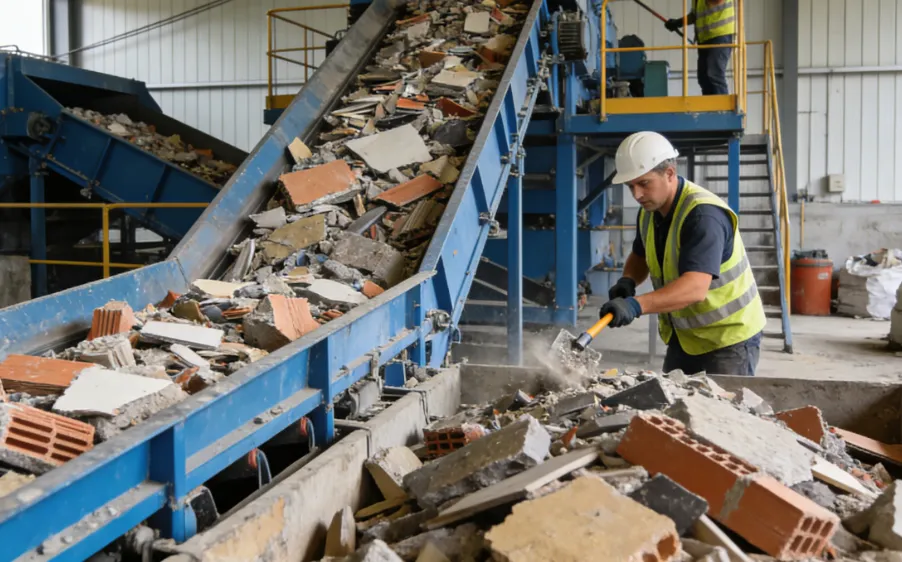
The Hidden Cost of Construction Waste
Construction projects—whether residential or commercial—generate a massive amount of waste. From concrete and bricks to wood, steel, and insulation materials, much of this debris ends up in landfills, driving up disposal costs and putting pressure on limited landfill space. In the U.S. alone, construction and demolition (C&D) activities produce over 600 million tons of waste annually, according to the EPA.
Unfortunately, only a fraction of it is recycled. This isn’t just an environmental issue—it’s a missed opportunity for cost reduction, material reuse, and sustainable construction.
If you’re a builder, contractor, or project manager, knowing how to compare construction waste management solutions and invest in the right tools can reduce your expenses and environmental impact at the same time.
Top Recycling Strategies Backed by Data
Reuse vs. Landfill: The Numbers Don’t Lie
Countries like Germany and the Netherlands recover over 80% of their construction waste, thanks to smart government policy and effective technology. In contrast, U.S. recycling rates still hover around 38%, largely due to inefficient sorting and a lack of on-site equipment.

But things are starting to change.
A recent example in San Antonio, Texas, shows how investing in the right recovery system can shift the game. Circular Services, which operates the Balcones Materials Recovery Facility (MRF), has integrated advanced optical sorters and air separation systems to capture lightweight plastics that often end up in landfills. While their focus is on flexible packaging, the takeaway is clear: smart technology works.
The Balcones facility now diverts over 214 tons per year of material—on just one shift—with plans to scale up to over 1,500 tons by 2030. This success proves that even lightweight, hard-to-process waste can be captured efficiently with the right tools.
Best Reuse Options for Common Construction Waste
Here’s how you can cut disposal costs and give new life to materials you’d normally toss:
| Waste Type | Best Reuse Method |
|---|---|
| Concrete & Asphalt | Crush and reuse as road base or aggregate |
| Wood | Reprocess into particle board or biofuel pellets |
| Steel | Re-melt for use in new construction steel |
| Bricks & Blocks | Clean and resell for landscaping or facade repair |
| Drywall | Recycle into new drywall or soil conditioner |
By integrating on-site screening and crushing equipment, you can save on transport and landfill fees, and even resell the recovered material. Many companies are already profiting from the shift to green building materials.
Buy or Rent Construction Waste Equipment Near You
Investing in construction waste recycling equipment doesn’t always mean buying expensive machinery. Depending on your project size, renting near you can be more cost-effective.
Search for:
- Mobile concrete crushers
- Portable screeners
- Magnetic separators
- Dust and material compactors
Compare equipment providers based on rental cost, mobility, and output capacity. Many local vendors offer daily, weekly, or monthly rates, giving you the flexibility to scale up or down.

Government Incentives and Green Certifications
Did you know many local governments and green building certification bodies (like LEED) offer tax breaks or credits for recycling construction waste?
- Compare local incentives before you plan disposal routes.
- Buy certified recycled materials to qualify for credits.
- Apply for LEED points by using recycled or regionally sourced materials.
This isn’t just good for the planet—it’s good business.
Final Thoughts: Build Smarter, Waste Less
Recycling construction waste is no longer a niche option—it’s a top strategy for reducing costs and boosting sustainability in the construction industry. Whether you’re managing a single project or multiple developments, investing in waste recovery technology, partnering with MRFs near you, or even simply reusing onsite materials can lead to measurable gains.
As demand for eco-friendly construction grows, builders who embrace these practices will stand out—not just for their environmental responsibility, but for smart cost control and efficiency.











Leave a Reply