
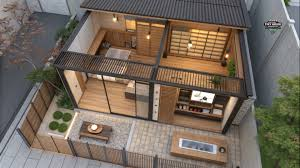
DIY culture in Europe and North America has evolved far beyond weekend hobby projects and Pinterest inspiration boards. Today, it sits at the intersection of design thinking, sustainability, cost efficiency, and personal expression. As an architecture-focused blogger, I want to approach DIY not just as “making things yourself,” but as a disciplined design process—one that mirrors how professional architects think, scale, and execute real-world spaces.
This guide is written for homeowners, renters, and design enthusiasts across Europe and the U.S. who want to elevate their DIY projects from simple crafts into meaningful spatial interventions. We’ll go deep into planning methodology, material selection, structural awareness, and several high-impact DIY categories that can transform your home both aesthetically and functionally.
1. DIY as a Design Discipline, Not Just a Hobby
Most people approach DIY from execution: they see a project online, buy materials, and try to replicate it. Architects work in the opposite direction—they start with constraints.
Before any physical work begins, professionals ask:
- What is the function of this space or object?
- How does it interact with light, movement, and daily habits?
- What are the structural or environmental limitations?
- What materials are contextually appropriate?
- How long should it last?
This mindset shift is critical. A successful DIY project is not defined by how closely it resembles a Pinterest photo, but by how well it integrates into your living environment over time.
For example, building a floating shelf is not just carpentry—it’s a study in load distribution, wall integrity, and visual balance. Painting a room is not just color selection—it’s spatial perception, lighting behavior, and psychological comfort.
2. The Core Categories of High-Impact DIY Projects
To structure this guide, we’ll break DIY down into five architectural categories:
- Spatial Division Projects (walls, partitions, zoning)
- Furniture & Built-Ins (custom functionality)
- Surface Transformation (walls, floors, ceilings)
- Lighting & Atmosphere Design
- Outdoor & Transitional Spaces
Each category plays a different role in how a home is experienced.
3. Spatial Division: Reimagining How a Room Functions
One of the most powerful DIY interventions is rethinking space without changing the footprint.
3.1 Open Plan Zoning with Wooden Slats
Popular in Scandinavian and Japanese-influenced interiors, wooden slat partitions allow light to pass through while creating subtle separation.
Why it works architecturally:
- Maintains visual continuity
- Preserves natural lighting flow
- Creates rhythm through repetition
DIY approach:
- Use pine or oak battens (2×2 cm or similar)
- Mount vertical or horizontal frames securely into ceiling and floor
- Maintain consistent spacing (usually 2–5 cm gaps)
- Finish with matte oil or natural sealant
This is ideal for separating living and dining areas without closing off the space.
3.2 DIY Half-Walls (Capon Walls)
Half-walls—around 1 to 1.2 meters high—are increasingly popular in urban apartments.
They can:
- Define entry zones
- Hide cluttered kitchen counters
- Frame seating areas
Key architectural consideration:
A half-wall should always align with existing sightlines (window height, furniture height, or doorway alignment). Misalignment creates visual noise.
4. Custom Furniture: Building with Intention
Furniture is where DIY becomes deeply personal. Unlike mass-produced pieces, custom-built furniture allows you to design around your habits.
4.1 Floating Desks and Workstations
With remote work now standard across Europe and North America, floating desks are one of the most functional DIY projects.
Architectural principle: cantilever logic
A floating desk must distribute weight back into wall studs, not just drywall.
Materials:
- Solid wood slab (walnut, oak, or birch plywood)
- Steel brackets or hidden L-supports
- Wall anchors rated for high load
Design tip:
Align desk height with ergonomic standards (72–75 cm typical for seated work). However, always adjust based on user height and chair type.
4.2 Modular Storage Units
Modularity is a core principle in modern architecture, from Le Corbusier to contemporary minimalism.
DIY modular systems allow:
- Flexibility over time
- Easy relocation
- Scalability in small apartments
How to build one:
- Start with cube-based geometry (30–50 cm modules)
- Use plywood panels or MDF
- Connect using dowels or concealed metal joints
- Avoid fixed glue structures if you want adaptability
This is especially effective for small urban homes in cities like London, Amsterdam, or New York.
5. Surface Transformation: The Most Visually Dramatic DIY Category
If spatial division is about structure, surface transformation is about atmosphere.
5.1 Limewash and Mineral Paint Walls
Unlike standard acrylic paint, limewash creates depth and texture through natural mineral variation.
Architectural effect:
- Soft, cloud-like tonal shifts
- Breathable wall surfaces
- Historic European aesthetic (Mediterranean and Roman influences)
Best spaces:
- Bedrooms
- Living rooms with natural light
- Entryways
Application insight:
Multiple thin layers are essential. Each coat subtly reacts with the previous layer, creating organic variation.
5.2 Microcement Floors
Microcement has become extremely popular in modern European interiors.
It provides:
- Seamless surfaces
- Industrial minimalism
- High durability
DIY challenge level: medium to advanced
Critical steps:
- Proper subfloor preparation (cracks will show)
- Primer application
- Layered cement coating
- Sealing for moisture resistance
It is ideal for bathrooms and kitchens where continuity and hygiene matter.
6. Lighting Design: The Most Underrated DIY Upgrade
Lighting is where amateur DIYers often stop short—but architects treat lighting as a primary material.
6.1 Layered Lighting Strategy
Every room should have three layers:
- Ambient lighting (overall illumination)
- Task lighting (function-based)
- Accent lighting (mood and focus)
6.2 DIY LED Cove Lighting
Installing LED strips behind ceiling coves or shelving creates indirect light that softens the entire room.
Why it works:
- Eliminates harsh shadows
- Expands perceived space
- Adds architectural depth without construction
Pro tip:
Use warm white (2700K–3000K) for residential spaces. Cooler temperatures often feel sterile unless used in work environments.
6.3 Sculptural Pendant Lighting
Instead of buying mass-market fixtures, DIY lighting can use:
- Wire frames
- Ceramic forms
- Recycled glass elements
The goal is not just illumination but sculptural presence—turning lighting into focal architecture.
7. Outdoor DIY: Extending Architecture Beyond Walls
Modern living increasingly blurs indoor and outdoor boundaries.
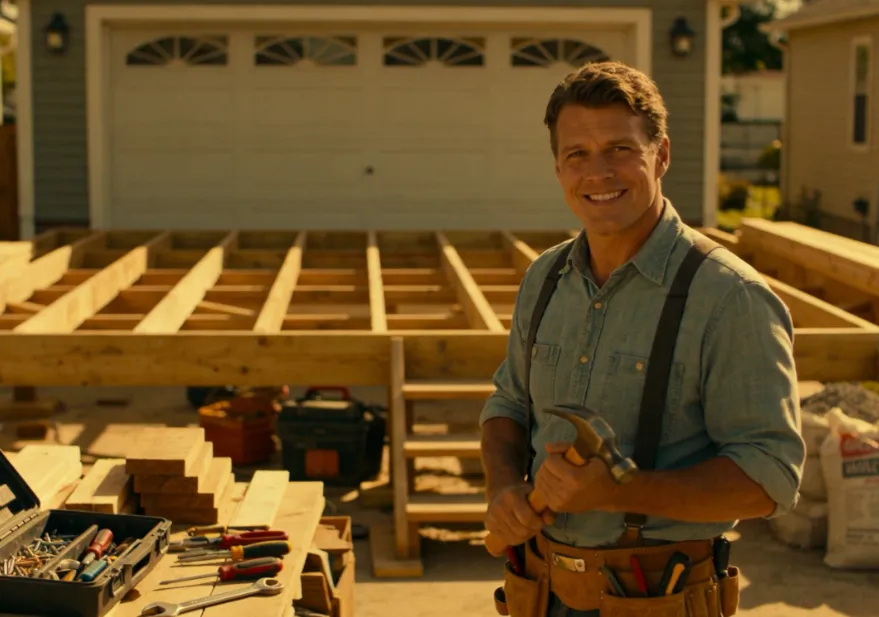
7.1 Deck Platforms and Micro-Terraces
Even small outdoor spaces can be transformed using raised wooden platforms.
Architectural function:
- Defines usable outdoor zones
- Hides uneven ground
- Creates indoor-outdoor continuity
Materials:
- Pressure-treated lumber
- Composite decking for low maintenance
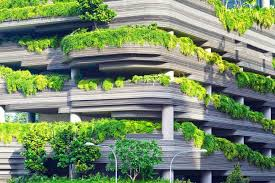
7.2 Vertical Gardens
For urban homes, vertical planting systems are one of the most efficient green interventions.
Benefits:
- Improves air quality
- Adds thermal insulation
- Softens hard architectural edges
DIY systems can be built using:
- Modular planter grids
- Recycled wooden pallets
- Wall-mounted felt systems
8. Common DIY Mistakes from an Architectural Perspective
Even experienced DIY enthusiasts repeat the same structural and design errors:
8.1 Ignoring Scale
A common mistake is building objects too large or too small for the space. Scale must relate to ceiling height, room volume, and circulation paths.
8.2 Overcomplicating Design
Minimalism is not emptiness—it’s precision. Over-layering materials and forms often reduces clarity.
8.3 Poor Material Honesty
Using fake finishes (plastic wood textures, low-grade laminates) undermines long-term visual quality.
8.4 Neglecting Light Interaction
A design that looks good in isolation may fail under natural daylight conditions. Always test materials under different lighting scenarios.
9. The Future of DIY: Hybrid Digital + Physical Design
We are entering a phase where DIY is increasingly supported by digital tools:
- 3D modeling (SketchUp, Blender)
- CNC-cut furniture components
- Parametric design templates
- AR visualization for space planning
This hybrid workflow allows homeowners to pre-test spatial changes before physical execution, reducing cost and error.
In Europe and the U.S., this is already influencing how small studios and independent designers approach residential renovations.
Conclusion: DIY as Personal Architecture
DIY is no longer about imitation—it is about authorship. Every shelf, wall, light fixture, or surface you design becomes part of your personal architectural language.
When approached with intention, DIY transforms from casual weekend work into something closer to spatial storytelling. Your home becomes not just a place you live in, but a system you actively design and refine over time.
The most important shift is mental: stop asking “Can I build this?” and start asking “Should this exist in my space, and why?”









Leave a Reply